
If you grew up in the 60s, 70s, or even earlier, you might recognize the phrase “Live long and prosper.” It may sound like science fiction, but the truth is far more grounded: how we eat today has a direct impact on how well we live tomorrow.
Aging is something we all share. But how we experience it (our energy, mobility, independence, and even our mental clarity) is deeply influenced by one foundational factor: nutrition.
For seniors and the families who support them, the goal isn’t just longevity. It’s living well, staying strong, and maintaining independence for as long as possible
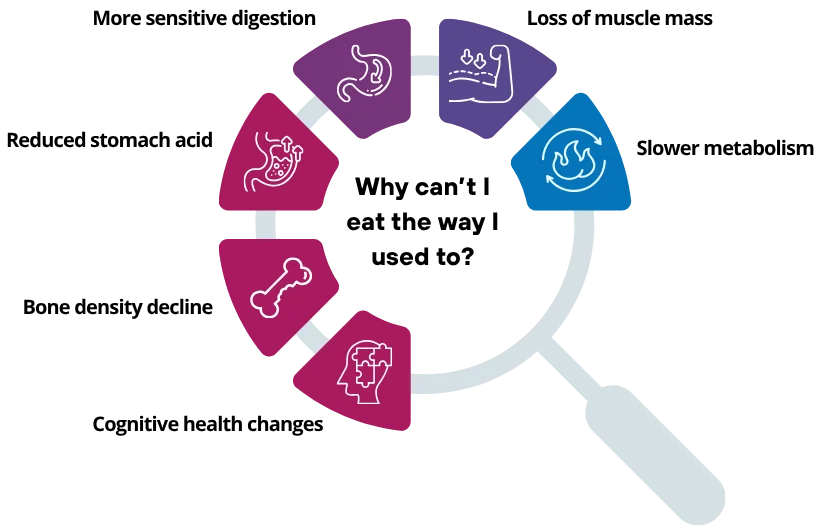
Why Nutrition Needs Change With Age
Many seniors (and caregivers) ask a common question:
“Why can’t I eat the way I used to?”
The answer lies in natural changes in the body. As we age, our nutritional needs shift, even if our habits don’t. Understanding these changes can make all the difference.
Here’s what’s happening behind the scenes:
- Slower metabolism → fewer calories needed, but more nutrients required
- Loss of muscle mass → increased need for protein
- More sensitive digestion → benefits from fiber-rich, easy-to-digest foods
- Reduced stomach acid → harder to absorb Vitamin B12, iron, and calcium
- Bone density decline → higher need for Vitamin D and calcium
- Cognitive health changes → increased importance of Omega-3s, antioxidants, and B vitamins
At first glance, this can feel overwhelming. But with the right support and guidance, nutrition becomes a powerful, manageable tool—not a burden.
Why Good Nutrition Matters More Than Ever
For seniors, food is more than fuel: it’s protection, prevention, and quality of life

1. Preventing and Managing Chronic Conditions
Conditions like heart disease, diabetes, arthritis, and osteoporosis are common—but nutrition plays a major role in managing them. A balanced diet can help regulate:
- Blood pressure
- Blood sugar
- Cholesterol
- Inflammation
2. Strengthening the Immune System
A strong immune system becomes increasingly important with age. Proper nutrition helps the body better fight infections and recover more quickly.
3. Supporting Brain Health
Nutrients like Omega-3 fatty acids, antioxidants, and B vitamins support cognitive function and may help reduce the risk of memory decline and dementia.
4. Maintaining Strength and Mobility
Protein intake, combined with regular movement,helps preserve muscle mass, reduce frailty, and lower
the risk of falls.
5. Improving Digestive Health
Fiber, hydration, and probiotics support gut health, prevent constipation, and improve nutrient absorption.
Nutrition and Everyday Quality of Life
When seniors are well-nourished, the benefits show up in everyday life—not just on paper.
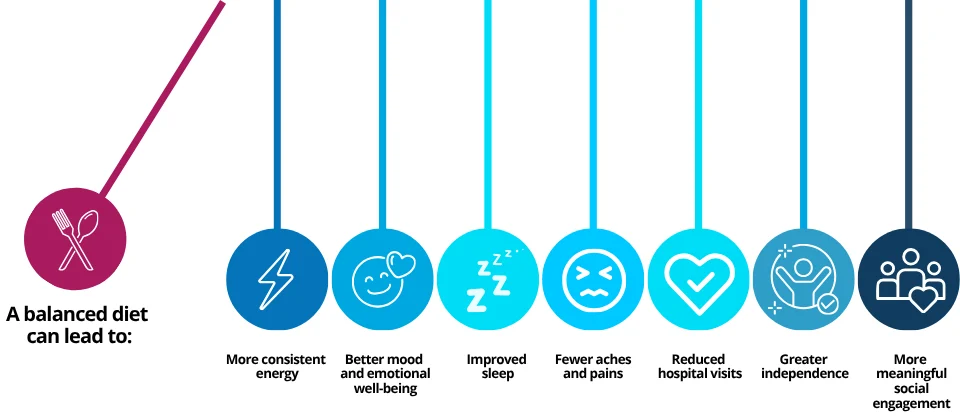
A balanced diet can lead to:
- More consistent energy
- Better mood and emotional well-being
- Improved sleep
- Fewer aches and pains
- Reduced hospital visits
- Greater independence
- More meaningful social engagement
In short, eating well supports living well.
Best Foods and Supplements for Senior Health
Below is a practical guide to nutrient-rich options that support healthy aging:

Important: Supplements should always be taken under the guidance of a healthcare professional to avoid interactions with medications.
A Note for Families and Caregivers
Supporting proper nutrition isn’t always simple. Changes in appetite, mobility challenges, medication side effects, and daily routines can all impact how—and what—someone eats.
This is where having the right support system can make a meaningful difference. Whether it’s help with meal planning, grocery support, or ensuring consistent, balanced meals, small interventions can have a big impact on health and independence.
Conclusion: Living Well Starts with What’s on the Plate
Nutrition is one of the most powerful and often overlooked tools in healthy aging.
With the right balance of whole foods, essential nutrients, and thoughtful support, seniors can:
- Stay stronger
- Think more clearly
- Maintain independence longer
- Enjoy a higher quality of life
Because aging well isn’t just about adding years to life.
It’s about adding life to those years.
If you are interested in learning more on how we incorporate nutrition into TLC’s Wellness Advantage Program. Please reach out.