
How awareness, early conversations, and family support can make a meaningful difference
Most people think of breast cancer as a women’s health issue.
That is understandable. Breast cancer is much more common in women. But it is important to remember that men can develop breast cancer too.
Men have breast tissue, even though they have much less than women. Because it is rare, many men do not expect it. A lump, nipple change, or discomfort may be ignored, explained away, or kept private out of embarrassment. For older men especially, symptoms may go unmentioned because they do not want to worry their family or feel like they are losing independence.
That is why awareness matters.
Although male breast cancer has historically been uncommon, in recent times there has been a small but steady rise in the number of cases. It can happen at any age, though risk generally increases as men get older.
For families, the most important thing to understand is simple:
If a man notices any changes around the breast or chest area, it should be checked by a healthcare provider. Our goal is not to create fear. Our goal is to help men and their families notice changes, start gentle conversations, and encourage immediate medical attention when something does not seem right.

Signs Men Should Not Ignore – OR When To Call A Doctor.
Because male breast cancer is not widely talked about, symptoms can be easy to missed. Families should encourage men to speak to a doctor if they notice:
- A lump or thickening near the breast, chest, nipple, or underarm
- Nipple discharge, especially if it is bloody
- A nipple that turns inward
- Redness, scaling, dimpling, or puckering of the skin
- Pain or tenderness around the nipple or breast area
- Swelling in the chest or underarm
- A sore near the nipple that does not heal
These symptoms do not automatically mean cancer. There can be many causes. But they are important enough to be taken seriously.
A helpful rule for is this: If it is new, unusual, persistent, or concerning, get it checked.

Why Men Often Wait Too Long
Many men delay care for reasons that have nothing to do with intelligence or concern for their health. Often, it is emotional, cultural, or practical.
Some men may think:
“This is probably nothing.”
“Men do not get breast cancer.”
“I do not want to make a big deal out of it.”
“I will wait and see if it goes away.”
“I do not want to worry my family.”
“I do not want another appointment.”
For older adults, this can become even more complicated. A senior may already be managing other health conditions, mobility challenges, memory changes, or general fatigue from medical appointments. A small symptom can feel easier to ignore than investigate.
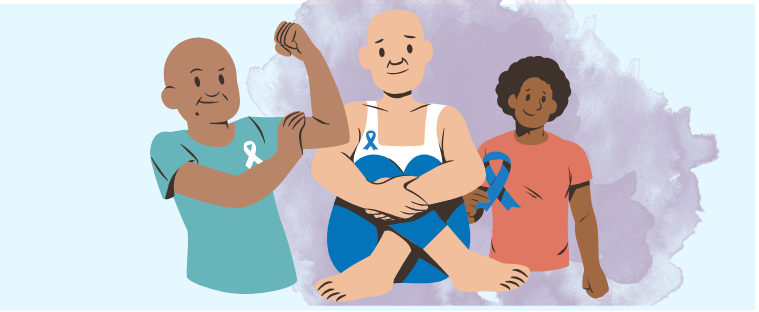
Family Conversations Matter
Sometimes the most important first step is not a dramatic intervention. It is a calm, respectful conversation.
Instead of saying, “You need to get that checked immediately,” try:
“I know it may be nothing, but I would feel better if we had a doctor look at it.”
Or:
“You have always taken care of us. Let us help you take care of this.”
For many men, preserving dignity is just as important as getting help

Who May Be at Higher Risk?
Any man can develop breast cancer, but certain factors may increase risk. These can include:
- Older age
- A family history of breast cancer, ovarian cancer, prostate cancer, or pancreatic cancer
- Inherited gene changes, such as BRCA1 or BRCA2
- Previous radiation treatment to the chest
- Certain hormone-related conditions
- Klinefelter syndrome
- Liver disease
- Obesity
- A history of estrogen-containing hormone therapy, such as certain treatments
previously used for prostate cancer
This does not mean someone with one of these factors will develop cancer. It simply means they may benefit from being more aware of changes and discussing personal risk with a healthcare provider.
Family history is especially important. A close family history of breast cancer may increase risk. A family history that includes ovarian cancer, male breast cancer, pancreatic cancer, or metastatic or high-risk prostate cancer may also be a reason to ask a healthcare provider whether genetic counseling or additional
risk assessment is appropriate.

The Emotional Side of Male Breast Cancer
A diagnosis of breast cancer can be emotionally difficult for anyone. For men, there can be an added layer of isolation because the disease is often publicly framed around women.
A man may feel embarrassed, confused, angry, or alone. He may also struggle with the language of the diagnosis because it does not match what he expected for himself.
Families can help by making the conversation feel normal and supportive.
Avoid making jokes. Avoid minimizing it. Avoid treating it as something strange.
Instead, focus on reassurance:
“You are not alone.”
“We will take this one step at a time.”
“This does not change who you are.”
“We are here with you.”
Support is not only physical. It is emotional, practical, and deeply human.
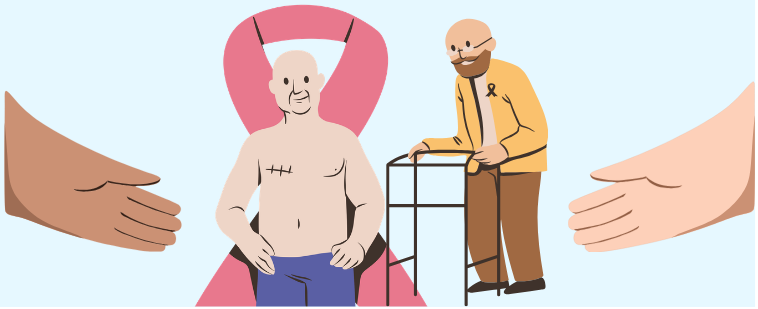
A Note for Families and Caregivers
Supporting someone through a possible cancer concern or diagnosis can be emotionally overwhelming.
You may feel responsible for noticing everything, remembering everything, and keeping everyone calm. But families should not have to carry that alone.
Professional home care can help create stability around the daily routines that still matter: meals, bathing, dressing, mobility support, medication reminders, companionship, transportation support, and respite for family caregivers.
At TLC Nursing, our role is not to diagnose or replace medical care. Our role is to support families at home with compassion, consistency, and dignity, so loved ones can feel safe and cared for while following the care plan provided by their healthcare team.
Disclaimer: This article is for general educational purposes only and is not a substitute for medical advice. Anyone who notices a new lump, nipple change, discharge, skin change, swelling, or persistent discomfort should contact a healthcare provider.

For over 30 years, TLC Alert Nursing and Home Care has supported families with professional, dependable, and compassionate care.
Choosing TLC Alert means choosing:
- Safety over uncertainty
- Continuity over disruption
- Professional oversight over guesswork
- Dignity, respect, and peace of mind
When it comes to the people you love most, care isn’t just about help-it’s about trust.